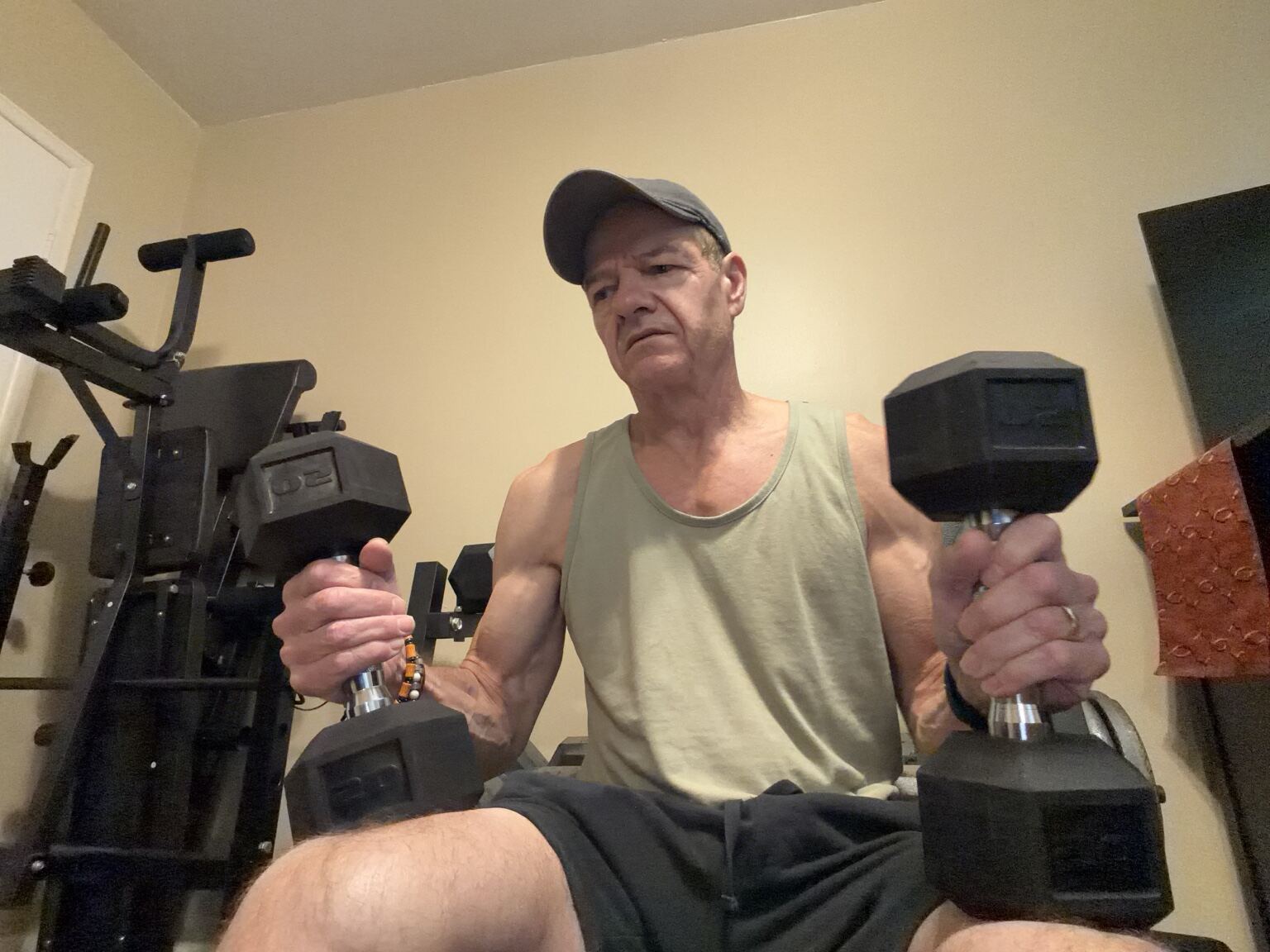
When I first began exercising, I wasn’t confident that I would ever become a runner or build much muscle. I simply knew that I didn’t want to reach retirement in poor health and be unable to enjoy the life I had worked for.
I started by walking because running was difficult. Gradually, those walks became runs. When I eventually brought the old weights out of the basement, I started slowly and learned as I went.
Looking back, there are several things I wish I had understood from the beginning.
You don’t need to be fit before you start
A lot of people believe they need to lose weight, improve their endurance or get into better shape before they begin strength training. You don’t. You begin with the body and ability you have today.
That might mean walking around the block, stretching for ten minutes or performing a few basic exercises with light dumbbells. Your starting point doesn’t determine how far you can eventually go.
Persistence matters more than a perfect start
Motivation can help you begin, and consistency helps establish a routine. But persistence is what keeps you moving when progress feels slow or life gets in the way.
At first, I didn’t think I would become much of a runner. Later, I didn’t believe I could build the kind of arms or chest I saw on younger men. I kept going anyway. Small changes started appearing. Then those small changes became noticeable ones.
You can pursue an outcome that feels unreasonable without making that outcome your only definition of success. Appreciate the first extra repetition, the slightly heavier dumbbell and the movement that feels easier than it did last month.
Never dismiss a 20-minute workout
It is easy to think that a workout doesn’t count unless you have an uninterrupted hour. That belief can prevent you from doing anything at all.
Some of my most focused sessions have happened when I only had 20 or 30 minutes. When time is limited, there is less opportunity to wander around or put things off. You choose a few useful movements and get to work.
Twenty minutes may not complete your ideal workout, but it is enough time to accomplish something worthwhile. A short session also keeps the habit alive. Showing up really is half the battle.
Start lighter than you think you need to
One of the most important lessons I learned came from making mistakes. I have irritated and injured my shoulders by introducing an exercise with too much weight.
Now, when I try a new exercise or return to one I haven’t performed in a while, I start lighter than I think I need to—even when I feel capable of lifting more.
A new movement places stress on your muscles, joints and connective tissues in a slightly different way. Give your body time to learn it. Concentrate on control, positioning and a comfortable range of motion before increasing the resistance. There is no prize for choosing a heavy starting weight.
If an exercise produces sharp pain or persistent discomfort, stop and have the problem assessed rather than trying to push through it.
You don’t always have to lift heavy to make progress
Heavier resistance can have a place in a well-designed program, but it is not the only way to make an exercise challenging. With a lighter weight, you can:
- Perform additional repetitions or sets.
- Lower the weight more slowly.
- Pause briefly in the hardest part of the movement.
- Improve your range of motion.
- Reduce momentum and maintain better control.
- Concentrate on feeling the intended muscle working.
The goal is to challenge yourself while respecting your current ability and recovery. The weight written on the dumbbell matters less than the quality and progression of the work you perform.
MAKE PROGRESS VISIBLE
Write down your progress.
I didn’t track my training when I first started, and I wish I had. Changes happen gradually, which makes them difficult to notice from one workout to the next. Writing things down gives you proof that you are moving forward.
Your record can be simple: the exercise, weight, sets and repetitions, how it felt and one small win from the session.
Record your first win →Don’t compare your beginning to someone else’s middle
It is natural to see someone who is stronger, younger or more developed and wonder whether your own effort is worthwhile. It is.
You don’t know how long that person has been training, what advantages they started with or what difficulties they faced. The useful comparison is with the person you were last month or last year.
Are you moving more comfortably? Are you becoming stronger? Do you have more confidence? Are everyday activities getting easier? Those are meaningful results.
Recovery is part of training
As I got older, I learned to pay closer attention to sleep, soreness, joint discomfort and general fatigue. Recovery is not laziness. It is part of the process that allows you to return and train again.
Your routine should challenge you without leaving you feeling permanently beaten up. Some days call for a hard workout. Other days may call for walking, mobility work, lighter resistance or rest.
Persistence doesn’t mean ignoring what your body is telling you. It means finding a sensible way to keep moving forward.
Start where you are
You don’t need a commercial gym, expensive equipment or a perfect workout room. I once exercised in a space only about six feet long and three and a half feet wide, between a bed and a closet.
Use the space, time and equipment available to you. Begin with something manageable and build from there.
I didn’t begin because I believed I would eventually look a certain way. I began because I wanted to reach retirement healthy enough to enjoy my life. The visible results came later—after persistence had already changed me.
This article shares my personal experience and is not medical advice. Consider speaking with your doctor or a qualified fitness professional before beginning a new exercise program, particularly if you have an injury, medical condition or persistent pain.
READY TO BEGIN?