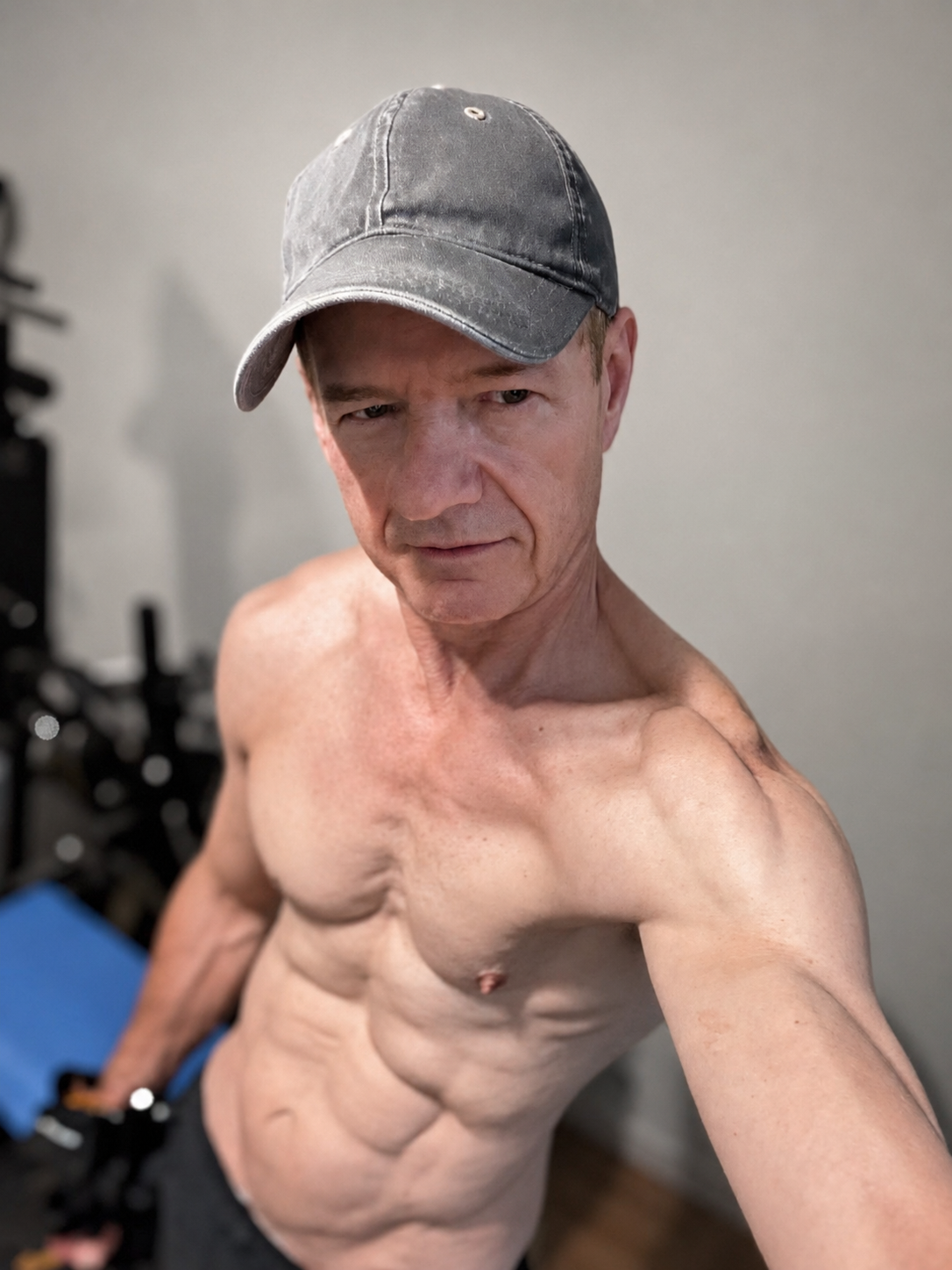
Can you build muscle after 60? For me, the answer is not theoretical. I can see it in the mirror, feel it when I train and notice it in everyday life. I am stronger and more muscular now than I was as a younger man.
That does not mean age makes no difference, or that everyone will progress in exactly the same way. It means turning 60 does not automatically close the door on building muscle. The body can still respond when it is given a reason to adapt—and enough consistency to keep adapting.
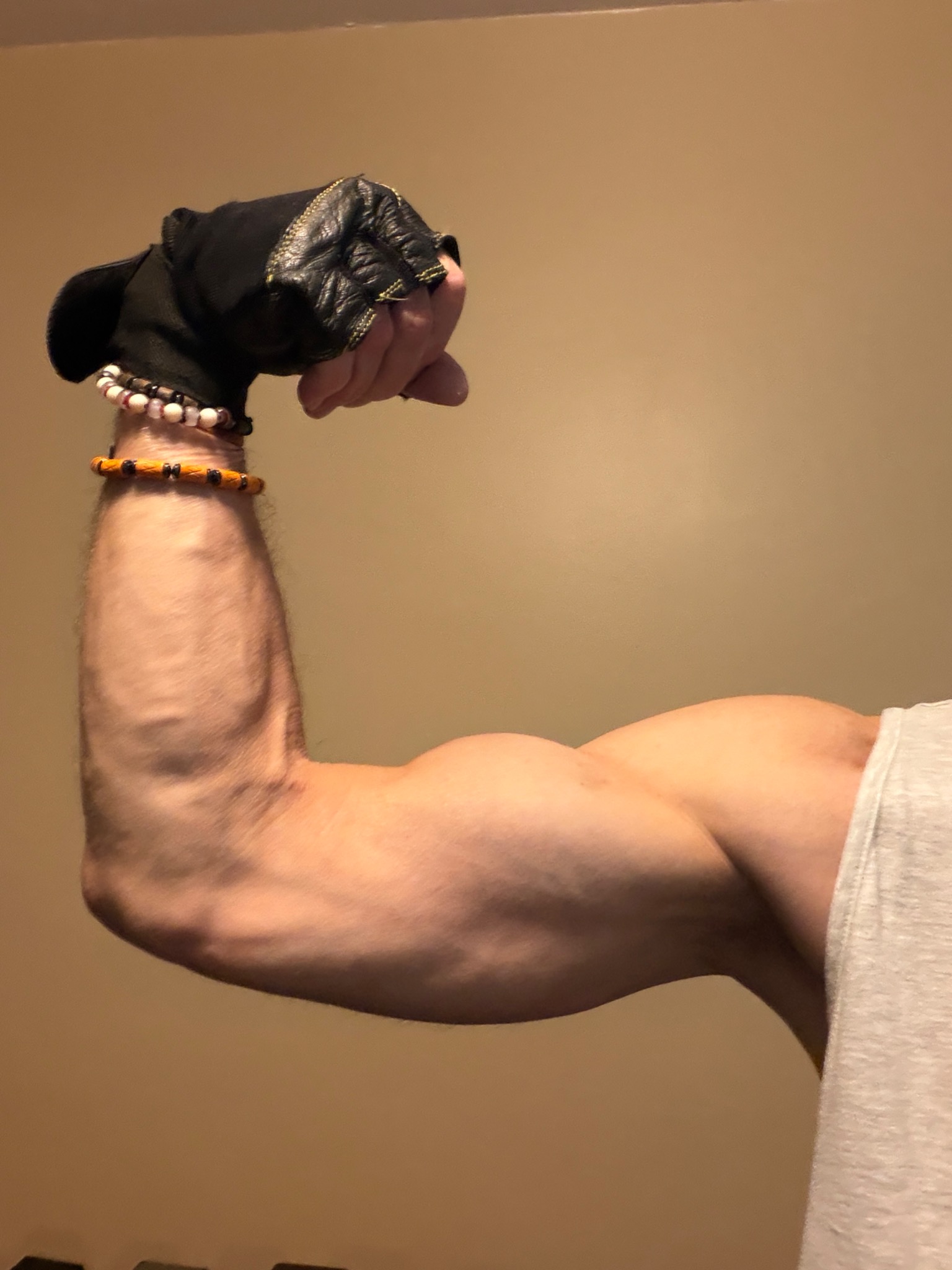
I did not grow up as a weightlifter
In my 20s, 30s and 40s, I would sometimes respond to gaining weight with a short exercise routine, often around 20 minutes. But I had not spent those decades seriously building muscle.
When I became a city bus driver at 46, the hours of sitting began to show. About a year and a half into the job, I noticed I was gaining weight and had a realization: I was getting older, and I needed to change if I wanted to reach retirement healthy and capable.
I started with walking, worked up to running and lost about 20 pounds. Weight training came later, when I brought out the old weights that had been stored away. What began simply became a lasting part of my life.
I started with five training days
People often ask how many days someone over 60 should train. There is no single answer that fits everyone. I started weight training five days a week, and that schedule worked for me.
But five training days does not have to mean five punishing full-body workouts. My sessions were divided across muscle groups, and I did not begin with the amount of resistance, equipment or total work that I use today. Frequency is only one part of the picture. Workout length, intensity, exercise selection, sleep, health and recovery all matter.
Some people may do very well with two or three full-body sessions. Others may prefer more frequent, shorter workouts divided across the week. The useful schedule is the one that gives your muscles enough challenge while still allowing you to recover and return consistently.
Muscle responds to challenge, not birthdays
Muscle needs a reason to adapt. Resistance training provides that reason, whether the resistance comes from dumbbells, a barbell, bands, machines or your own body weight.
The challenge must be meaningful, but it does not always have to mean adding more plates. Progress can also come from performing another controlled repetition, improving your range of motion, slowing the lowering phase, pausing in a difficult position or moving the same weight with better form.
I use challenging weights, but I also use lighter resistance, higher repetitions and time under tension. The body does not read the number printed on a dumbbell. It responds to the work the muscle is actually doing.
What made the greatest difference for me
No single exercise, supplement or perfect routine built my physique. The greatest difference was continuing to show up. I kept learning, made adjustments and found ways to train even when my space and equipment were limited.
I paid attention to exercises that worked well for me. I gradually increased the challenge. I trained stubborn areas—especially my glutes—with patience instead of assuming they could not grow. And I learned that a focused 20-minute workout still counted when that was the time available.
Nutrition and recovery also support the work, but neither replaces it. Muscle is built through the repeated cycle of training, recovering and returning.
Recovery is individual
Being over 60 does not automatically tell you how quickly you recover. Training history, workload, sleep, stress, health conditions and even the muscle group being trained can change what you need.
Normal muscle fatigue is different from sharp pain, joint pain or a steady decline in performance. If my form begins breaking down, soreness does not settle or my strength keeps dropping, those are reasons to reduce the workload and reassess—not proof that I should give up strength training altogether.
Start with evidence, not expectations
If you are beginning after 60, you do not need to predict your limits before you have started. Choose a manageable routine, record what you do and give it time. Watch for real evidence: more repetitions, better control, a little more resistance, improved measurements or everyday tasks becoming easier.
Progress may be slower than the transformations advertised online. It may also surprise you. I could not have known at the beginning that I would reach 64 in the best shape of my life.
MAKE PROGRESS VISIBLE
Write down what your memory may miss.
Record your exercises, resistance and repetitions. Small improvements can be difficult to notice from one workout to the next, but a training record reveals what persistence is building.
Use the fitness tracker →The possibility is real
I cannot promise anyone my results. Bodies, health histories and circumstances differ. But I can say with confidence that age alone should not make you assume muscle growth is over.
At 64, I am not trying to recreate my younger body. I have built a stronger one now. That came from beginning, staying persistent and refusing to treat 60 as a finish line.
Ready to put this into practice?
Explore my free 2-day and 3-day strength-training programs for people starting or returning to exercise after 60.
Explore Beginner Workout ProgramsYes, you can build muscle after 60. I have never had more muscle than I do now—and I am still working to improve.
FURTHER READING
Strength training and healthy aging
This article shares my personal experience and is not medical advice or a promise of individual results. If you are inactive, have a medical condition, take medication that affects exercise or have pain or balance concerns, consider speaking with your doctor or a qualified fitness professional before beginning or changing a program.
READY TO BEGIN?